
Kids & Family Gaming Statistics (2026): 35+ Data Points on Players, Parents, and Screen Habits

About 83% of Gen Alpha and 82% of Gen Z play video games every week in the U.S. — gaming is now the default childhood pastime (ESA, 2026). It is also a shared one: 75% of U.S. parents play video games, and most play alongside their kids (ESA, 2026). Those young players sit inside a base of 212.3 million Americans who game (ESA, 2026). We aggregated data from the ESA, WHO, UCL, Common Sense Media, and Newzoo, plus dozens of other primary sources to compile this report. For families, the question has shifted from "should kids play" to "how do we keep it healthy."
Key Takeaways
- 83% of Gen Alpha and 82% of Gen Z play weekly in the U.S. (ESA, 2026).
- 75% of U.S. parents play video games, most with their children (ESA, 2026).
- 212.3 million Americans play video games (ESA, 2026).
- 67% of Americans play at least one hour per week (ESA, 2026).
- The WHO caps screen time at 60 min/day for ages 2–4, but 2-year-olds average 129 min (WHO; UCL, 2024).
- 98% of 2-year-olds view screens on a typical day (UCL, 2024).
- 41% of U.S. teens spend 8+ hours a day on screens overall (Common Sense Media).
- Globally there are 3.578 billion gamers, spanning every age group (Newzoo, 2025).
Friendly, no-download browser games with clear endpoints — like Om Nom Run — make good family picks on Genzopia.
Kids Who Play: A Near-Universal Habit
For the youngest generations, gaming is not a subculture — it is the baseline. Weekly play among Gen Alpha and Gen Z tops 80%, higher than any older cohort.
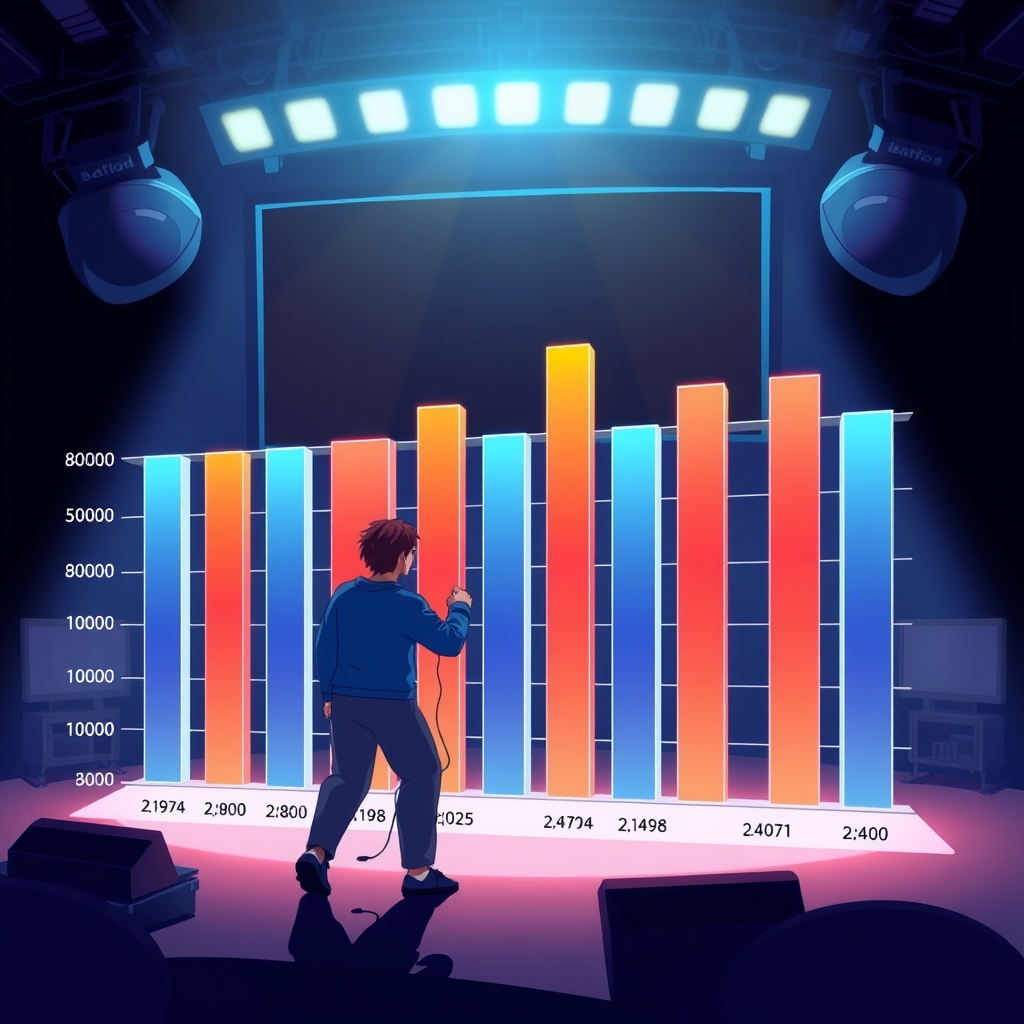
| Metric | Value | Source |
|---|---|---|
| Gen Alpha weekly play | 83% | ESA, 2026 |
| Gen Z weekly play | 82% | ESA, 2026 |
| Millennials weekly play | 71% | ESA, 2026 |
| Gen X weekly play | 56% | ESA, 2026 |
| Boomers weekly play | 50% | ESA, 2026 |
Outlier: even half of Boomers now play weekly, so "kids' gaming" is really "everyone's gaming" (ESA, 2026). Level-based titles like Jungle Run suit younger players.
Parents and Co-Play
Gaming has become a family activity, not a solo escape. Three in four parents play, and the majority do it with their children — reshaping how families spend time together.

| Metric | Value | Source |
|---|---|---|
| U.S. parents who play | 75% | ESA, 2026 |
| Parents who play with kids | Majority | ESA, 2026 |
| Americans who play | 212.3M | ESA, 2026 |
| Play 1+ hr/week | 67% | ESA, 2026 |
| Average U.S. player age | 37 | ESA, 2026 |
Co-play turns screen time into shared time. Simple physics games like Cut the rope 2 are easy for mixed-age play. See the wider audience in our gamer demographics statistics.
Screen Time and Guardrails
The health conversation centers on the very young. Screen exposure starts early and often exceeds guidelines, which is why structure matters more than bans.
| Metric | Value | Source |
|---|---|---|
| WHO max (ages 2–4) | 60 min/day | WHO |
| Average 2-year-old screen time | 129 min/day | UCL, 2024 |
| 2-year-olds on screens daily | 98% | UCL, 2024 |
| Teens 8+ hrs/day (all screens) | 41% | Common Sense Media |
| Vocabulary gap (high vs low screen) | 53% vs 65% words | UCL, 2024 |
Outlier: high-screen 2-year-olds knew 53% of test words versus 65% for low-screen peers — a real early-development signal (UCL, 2024). Time-boxed browser games help enforce limits; see our gaming addiction and screen time statistics.
Why Browser Games Suit Families
No installs, no accounts, and instant load make browser games low-risk for shared devices. Sessions start and stop cleanly, which is exactly what parents want.

| Metric | Value | Source |
|---|---|---|
| Global gamers (all ages) | 3.578B | Newzoo, 2025 |
| Free-to-play download share | ~96% | Sensor Tower, 2026 |
| Browser games benefit | No install, no account | Industry, 2026 |
| Session control | Clear start/stop | Industry, 2026 |
| Device sharing | Safer than app installs | Industry, 2026 |
Explore why the format works for kids in our browser gaming statistics.
Kids & Family Gaming by the Numbers: Summary Table
| Metric | Value | Source |
|---|---|---|
| Gen Alpha weekly play | 83% | ESA, 2026 |
| Gen Z weekly play | 82% | ESA, 2026 |
| Millennials weekly play | 71% | ESA, 2026 |
| Boomers weekly play | 50% | ESA, 2026 |
| Parents who play | 75% | ESA, 2026 |
| Americans who play | 212.3M | ESA, 2026 |
| Play 1+ hr/week | 67% | ESA, 2026 |
| Average U.S. age | 37 | ESA, 2026 |
| WHO max (2–4) | 60 min/day | WHO |
| Avg 2-year-old screen | 129 min/day | UCL, 2024 |
| 2-year-olds on screens | 98% | UCL, 2024 |
| Teens 8+ hrs/day | 41% | Common Sense Media |
| Global gamers | 3.578B | Newzoo, 2025 |
| Free-to-play share | ~96% | Sensor Tower, 2026 |
Methodology and Sources
We prioritized primary survey and public-health sources, cross-referenced participation and screen-time figures, and favored 2025–2026 data; developmental studies are dated where relevant. Every stat is attributed inline to its source. This article is informational, not medical advice.
- Entertainment Software Association — 2026 Essential Facts
- World Health Organization — Screen time guidance
- UCL — Early childhood screen study 2024
- Common Sense Media — Teen screen use
- Newzoo — Global Games Market Report 2025
- Sensor Tower — State of Gaming 2026
Last updated: July 2026.
We update this page quarterly with the latest data.
Games in this post


Frequently asked questions
How many kids play video games in 2026?
In the U.S., about 83% of Gen Alpha and 82% of Gen Z play games weekly, part of 212.3 million Americans who play (ESA, 2026).
Do parents play games with their kids?
Yes; 75% of U.S. parents play video games, and most of them play together with their children (ESA, 2026).
How much screen time is healthy for young kids?
The WHO recommends a maximum of 60 minutes of screen time per day for ages 2–4, yet the average 2-year-old already spends about 129 minutes (WHO; UCL, 2024).
What are good games for kids?
Short, friendly, no-download browser games with clear stopping points suit families best, avoiding open-ended live-service grinds (industry guidance, 2026).